
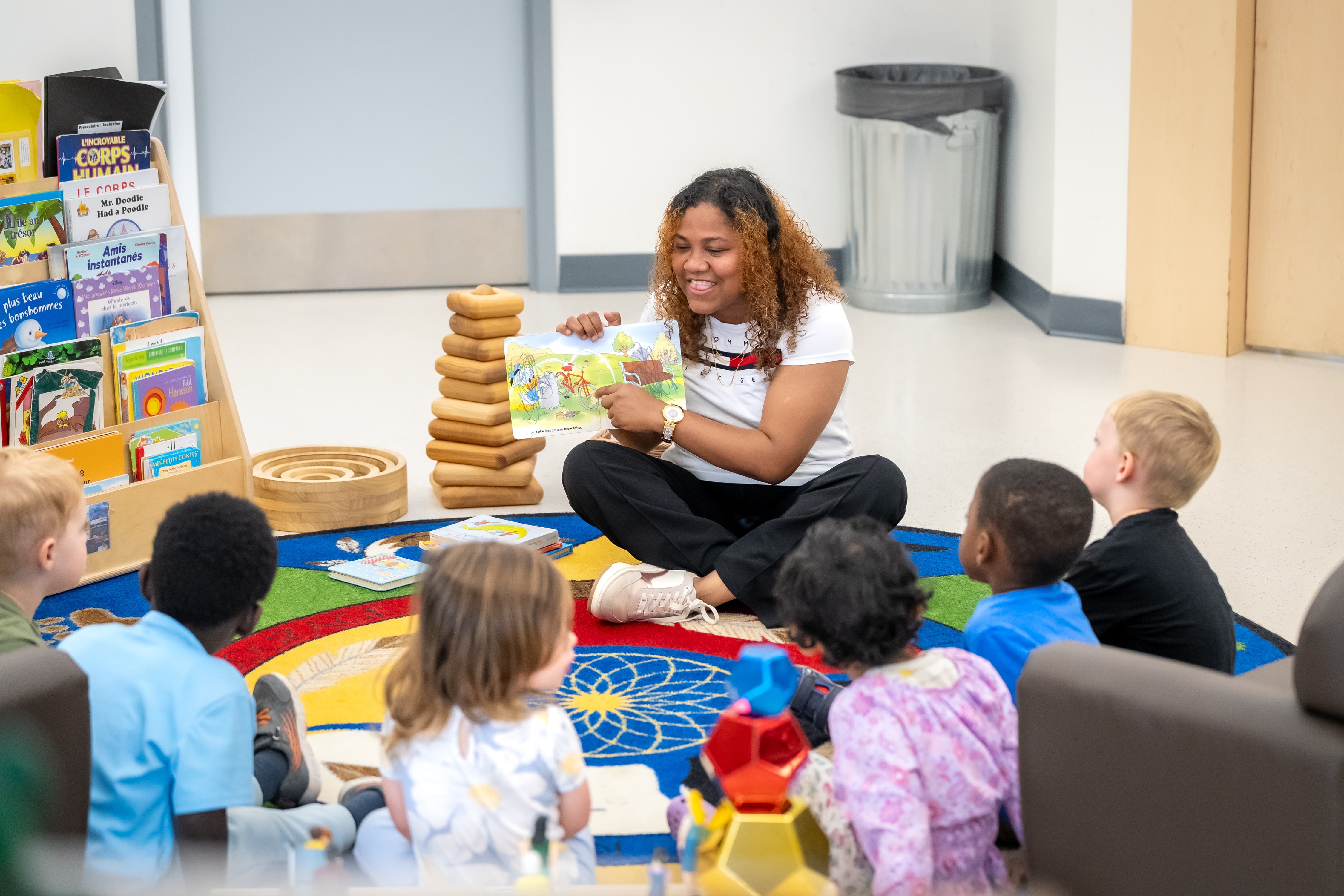
Supporting Bilingualism in Young Children: A Guide for Families
In many families today, children grow up hearing more than one language at home. For parents, this can raise questions: Will learning two languages confuse my child? Is it too much at a young age? The good news is that early childhood is actually one of the best times to develop bilingualism.
Why Early Childhood Is Ideal for Language Learning
During the preschool years, children’s brains are incredibly adaptable. This flexibility allows them to absorb languages naturally through daily interactions and experiences. Young children are especially skilled at hearing and distinguishing different sounds, which helps them develop strong pronunciation in each language they learn.
Because of this natural ability, children exposed to multiple languages early in life can learn them simultaneously in a way that feels effortless and playful.
Does Learning Two Languages Cause Confusion?
Some parents worry that exposure to more than one language may delay speech or create language difficulties. Research shows that this is not the case. Learning multiple languages does not cause language disorders, and it does not make existing speech or language challenges worse.
It is also normal for bilingual children to occasionally mix words from different languages when speaking. This is a natural part of language development and usually becomes more organized as their vocabulary grows.
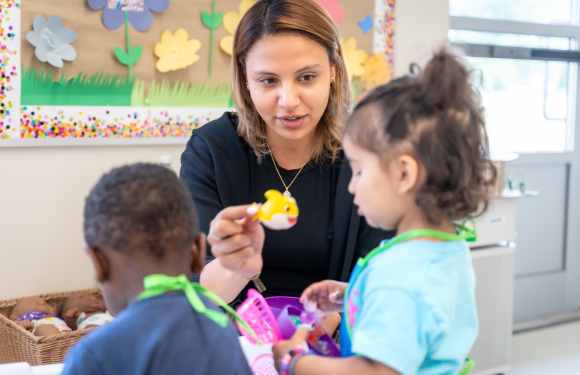
What Influences Bilingual Language Development?
Every child’s language journey is unique. Several factors can influence how children learn and use different languages, including:
- Their age when they begin hearing each language
- How often they are exposed to each language
- The languages commonly spoken in their community
- The environments where each language is used (home, school, friends)
One of the most important influences is family attitude. When parents show pride and enthusiasm for their languages and cultures, children are more likely to value and maintain them.
Simple Ways to Encourage Bilingualism at Home
Supporting two languages doesn’t require formal lessons. Many small daily habits can make a big difference.
- Keep languages consistent when possible. Some families choose a “one parent, one language” approach, where each parent consistently speaks a specific language with the child.
- Avoid mixing languages within the same sentence. Clear language models help children better understand vocabulary and structure.
- Connect language to the world around you. Point out French (or another language) in your community through signs, labels, street names, brochures, or conversations with neighbors.
- Create language-rich experiences. Books, music, movies, radio, and television in different languages help children hear vocabulary in engaging ways.
- Include culture in the learning process. Celebrating traditions, food, stories, and music connected to a language helps children build a meaningful connection to it.
- Watch familiar movies in another language. Children often enjoy watching favorite films in a different language because they already understand the story.
Encouraging a Positive Language Journey
Learning more than one language is a wonderful gift for children. It can strengthen communication skills, support cognitive development, and help children feel connected to their family and culture.
Most importantly, language learning should feel natural, positive, and joyful. Through conversation, stories, music, and everyday moments, families can help children grow confidently in more than one language.